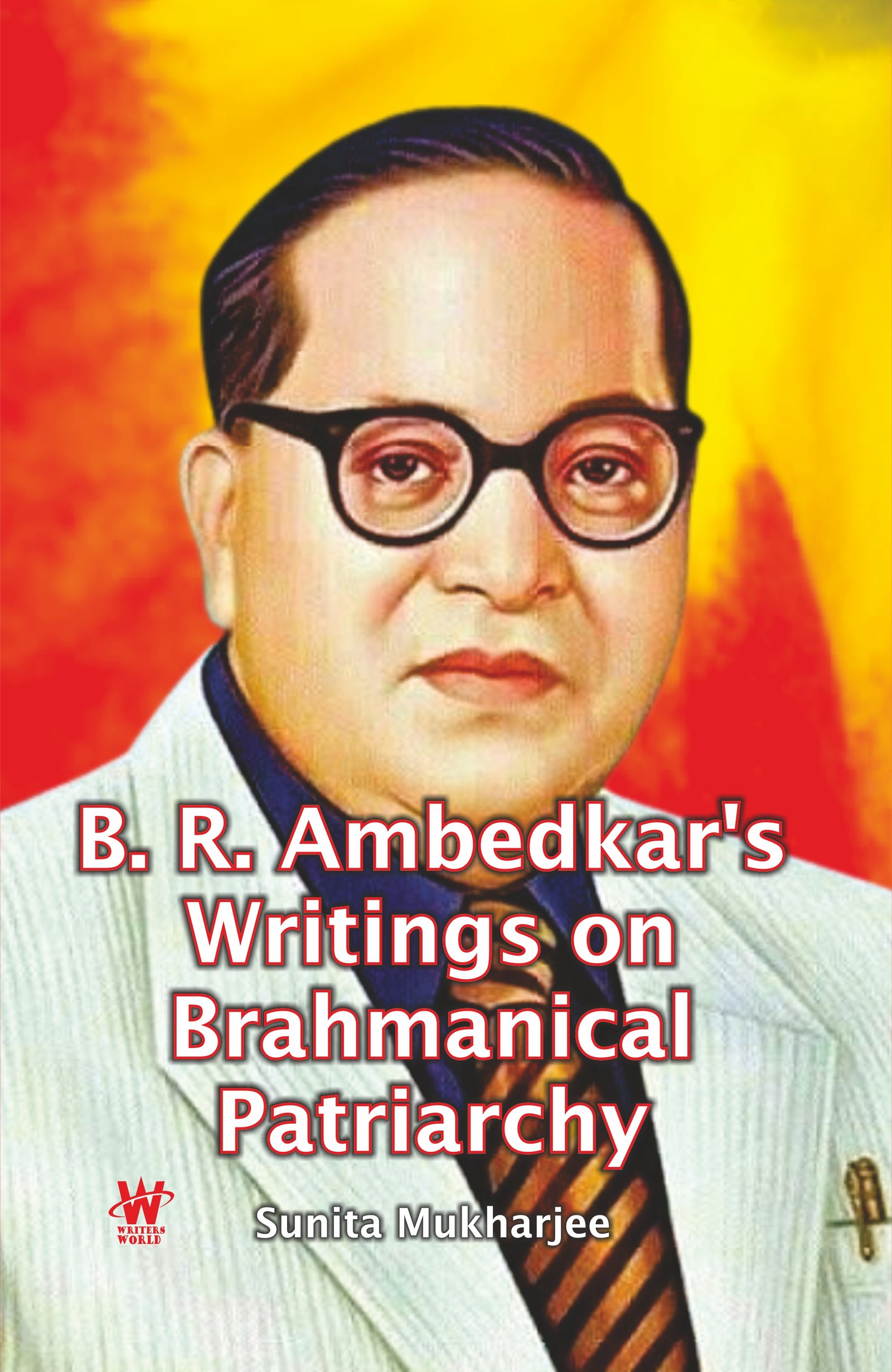
Patriarchy is a social system in which men hold primary power and predominate in roles of political leadership, moral authority, social privilege and control of property. Some patriarchal societies are also patrilineal, meaning that property and title are inherited by the male lineage. Patriarchy is associated with a set of ideas, a patriarchal ideology that acts to explain and justify this dominance and attributes it to inherent natural differences between men and women. Women folk internalised the norms pointed by Manu that, “a woman who controlling her thoughts, speech and acts violates not her duty toward her lord, dwell with him after death in heaven and is called ‘sadhvi’, a chaste woman, a faithful wife “(Ibid: 584). Acceptance of these norms by upper castes women create a form of false consciousness about their subordination in the larger class-caste structure where they themselves invests complete reliance on this purity - pollution belief. They fail to conceptualise, how they are victimised in this endogamous and close end caste structured society, which give them explicit reward of caste and class position but implicitly they are subordinated in patriarchy. This book is a brilliant and timely intervention in feminist scholarship in India, Dalit studies, legal sociology, and the sociology of caste.
Machine-readable records for libraries and trade partners.
ONIX Record MARC Record (XML) MARC Record (.mrc)Login to write a review.
Every published author once began with an idea, a notebook and the courage to start.
Shhalaj welcomes writers, educators, thinkers and storytellers who wish to share meaningful work with the world.